Media
Project description
In the context of irrigated rice cultivation, addressing climate change impacts is an urgent priority. Rice producers in Southeast Asia face challenges such as erratic rainfall patterns, prolonged droughts, and shifting rainy seasons. This is particularly critical in countries like Cambodia and Laos, where rice cultivation is frequent but hindered by poor coordination among farmers and socioeconomic pressures prompting land sales. Understanding irrigated rice cultivation entails not only water management but also agricultural strategies to enhance resilience and sustainability.
This research, led by the Japan International Research Center for Agricultural Sciences (JIRCAS), seeks to develop resilient and sustainable irrigated rice cultivation practices by integrating indigenous water management knowledge and strengthening agricultural sustainability capacities. The goal is to assist governments in developing rice production systems that ensure food security.
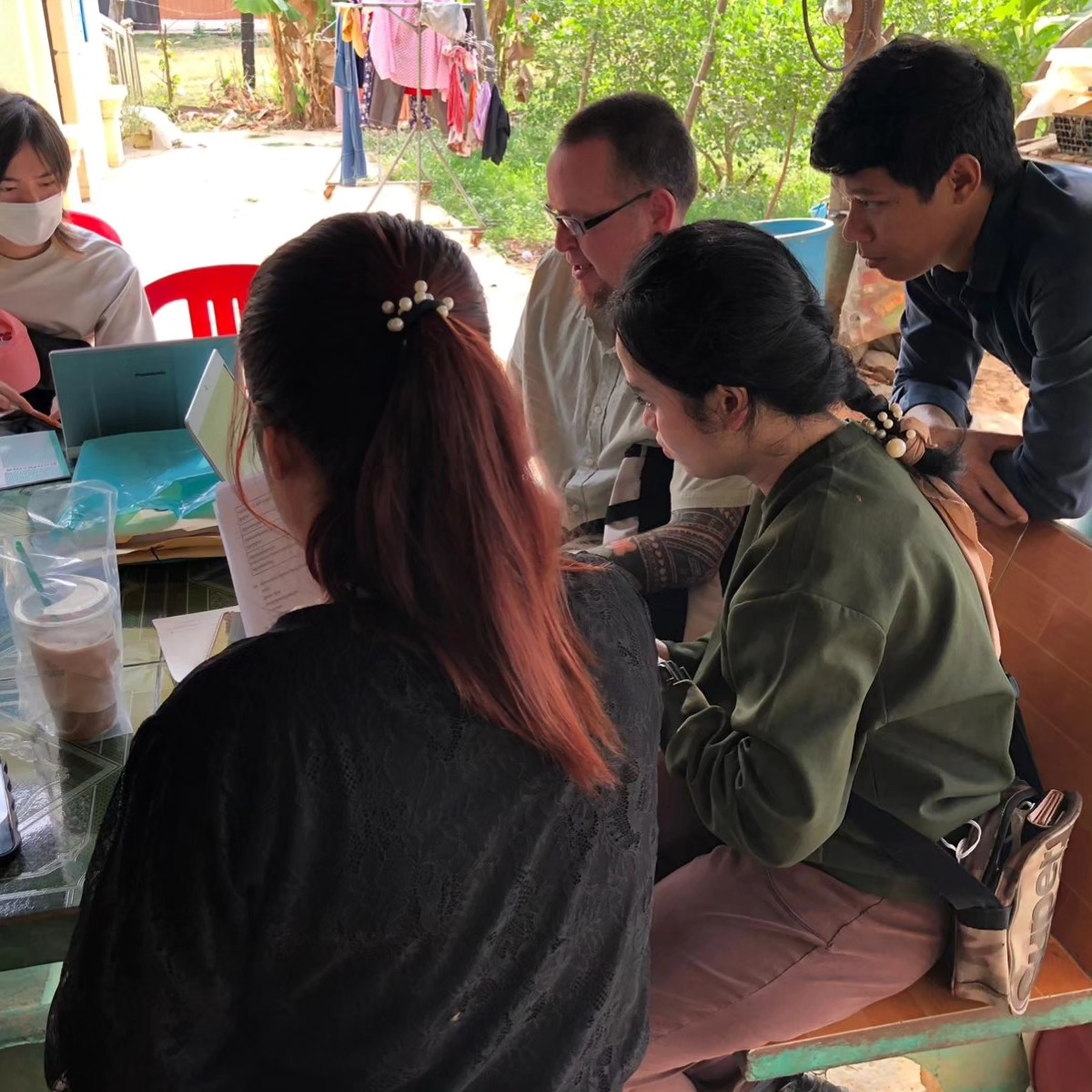
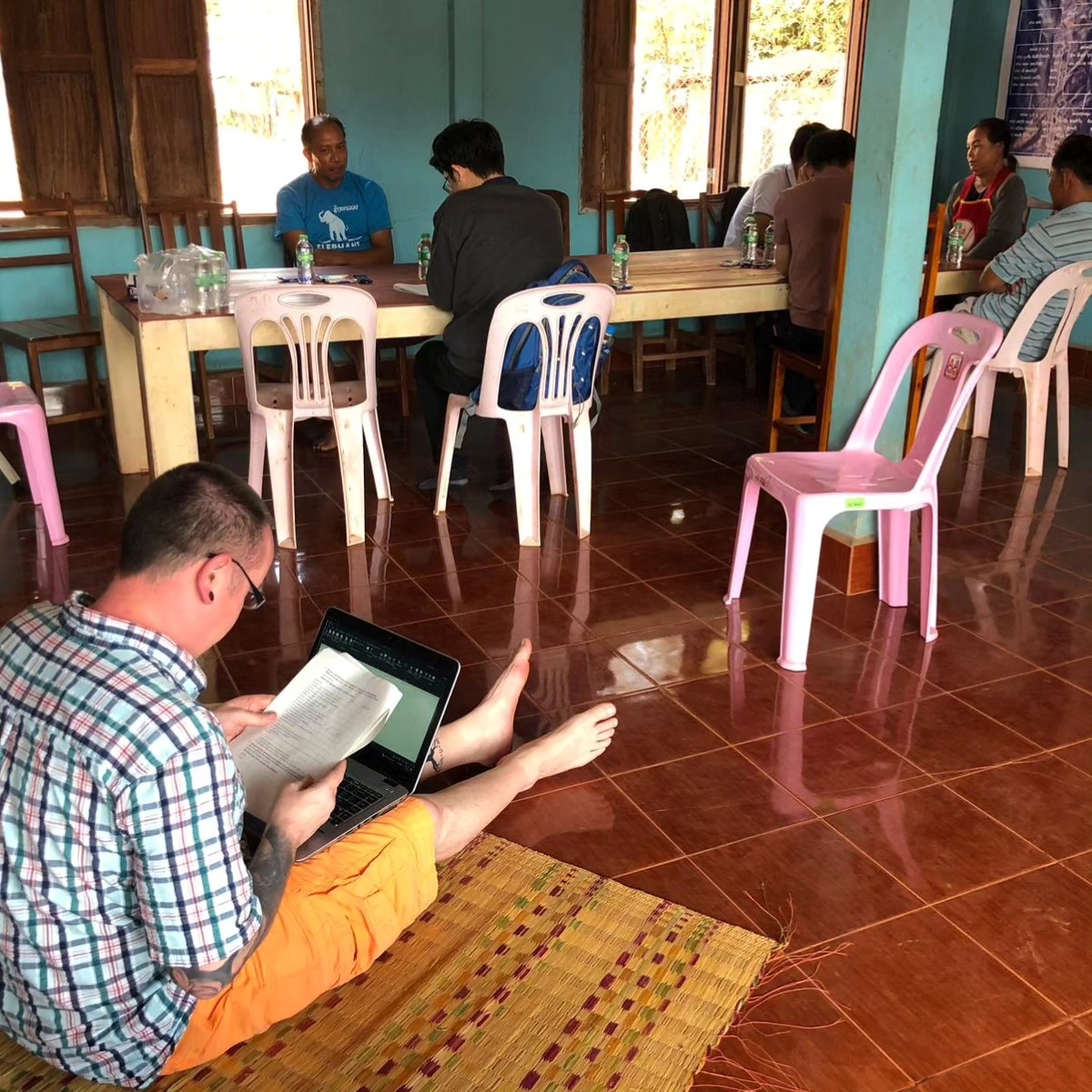
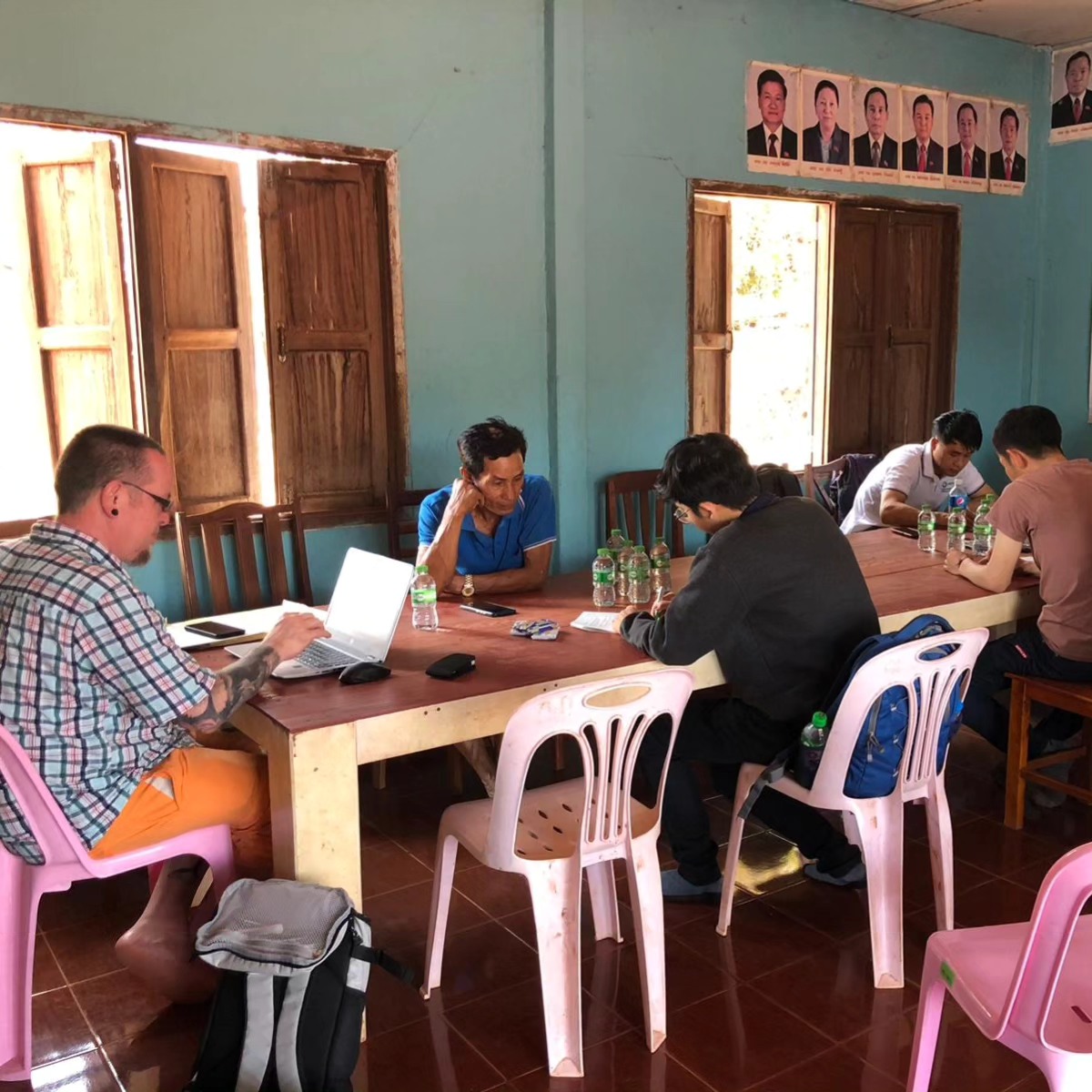
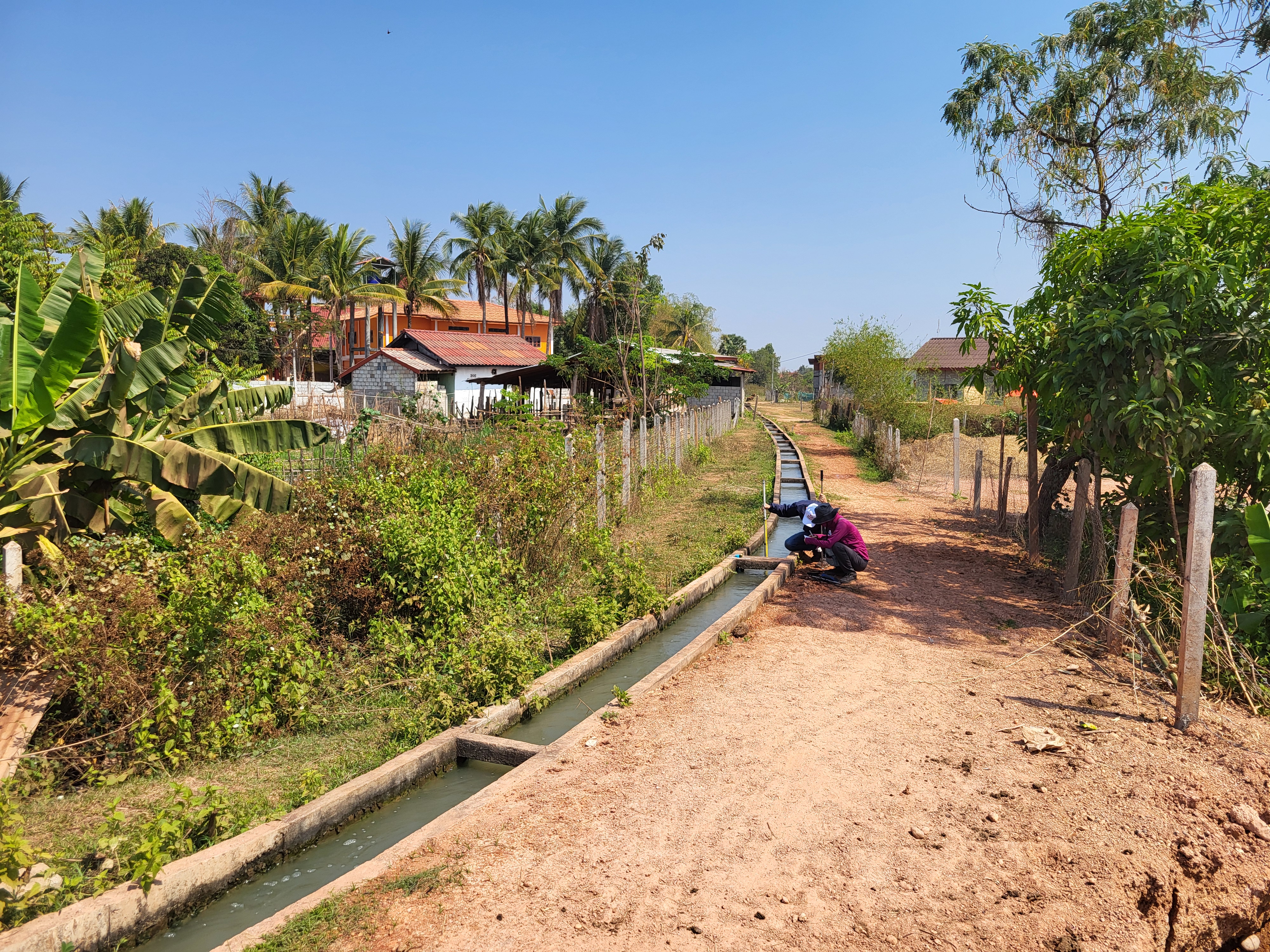
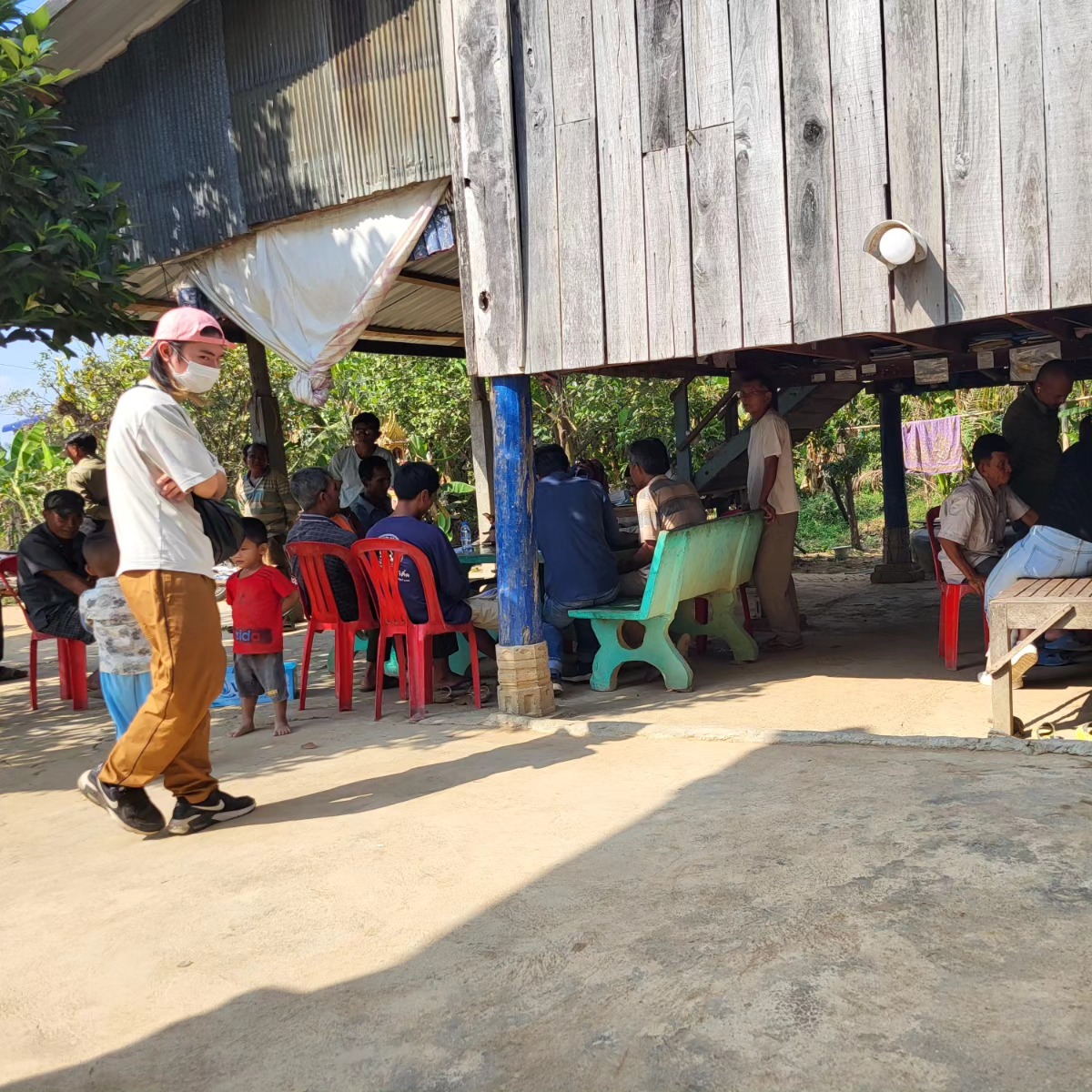
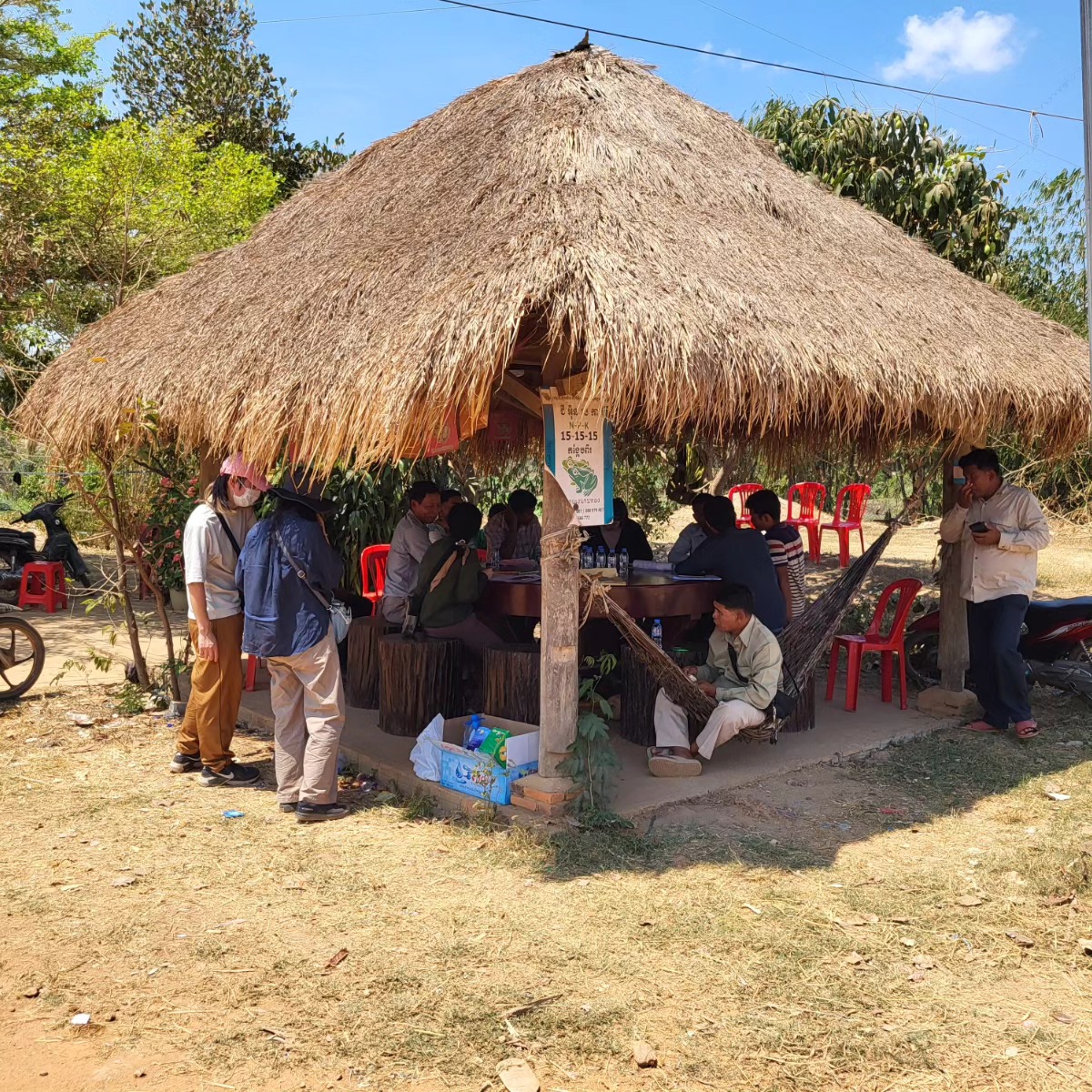
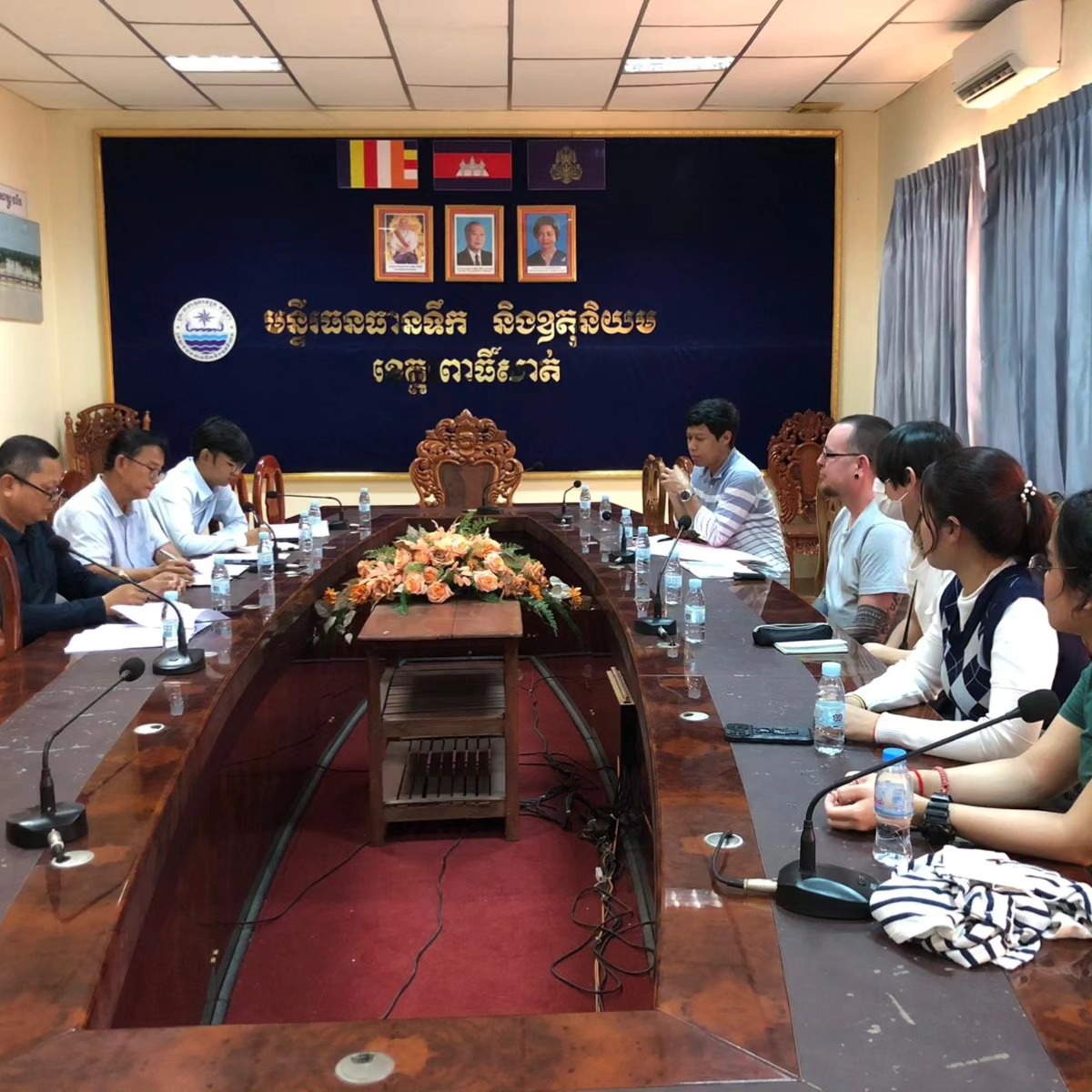
In February 2024, fieldwork was conducted in two target villages in Cambodia and Laos to survey farmers on various aspects related to economic, environmental, and social sustainability. Data collection also included assessments of water systems and usage rates during the dry season. Findings from this research collaboration with Dr. Fumi Okura at JIRCAS and other partners will be disseminated through publications starting in mid-2024.